Solar Assessment
I'm Juan de la Cruz, a Certified Master Inspector and former firefighter. I look at the whole solar system, explain what I find in plain English, and deliver a graded Solar Inspection Report, typically within 24 hours of the inspection. I never install, repair, or sell solar.
My years in the fire service, and later in code enforcement and building-code work, taught me to pay attention to how equipment is attached to a roof, how it's wired into a house, and whether it's clearly labeled. I'm not there to alarm anyone. I'm there to tell you what I see so you can decide with facts.
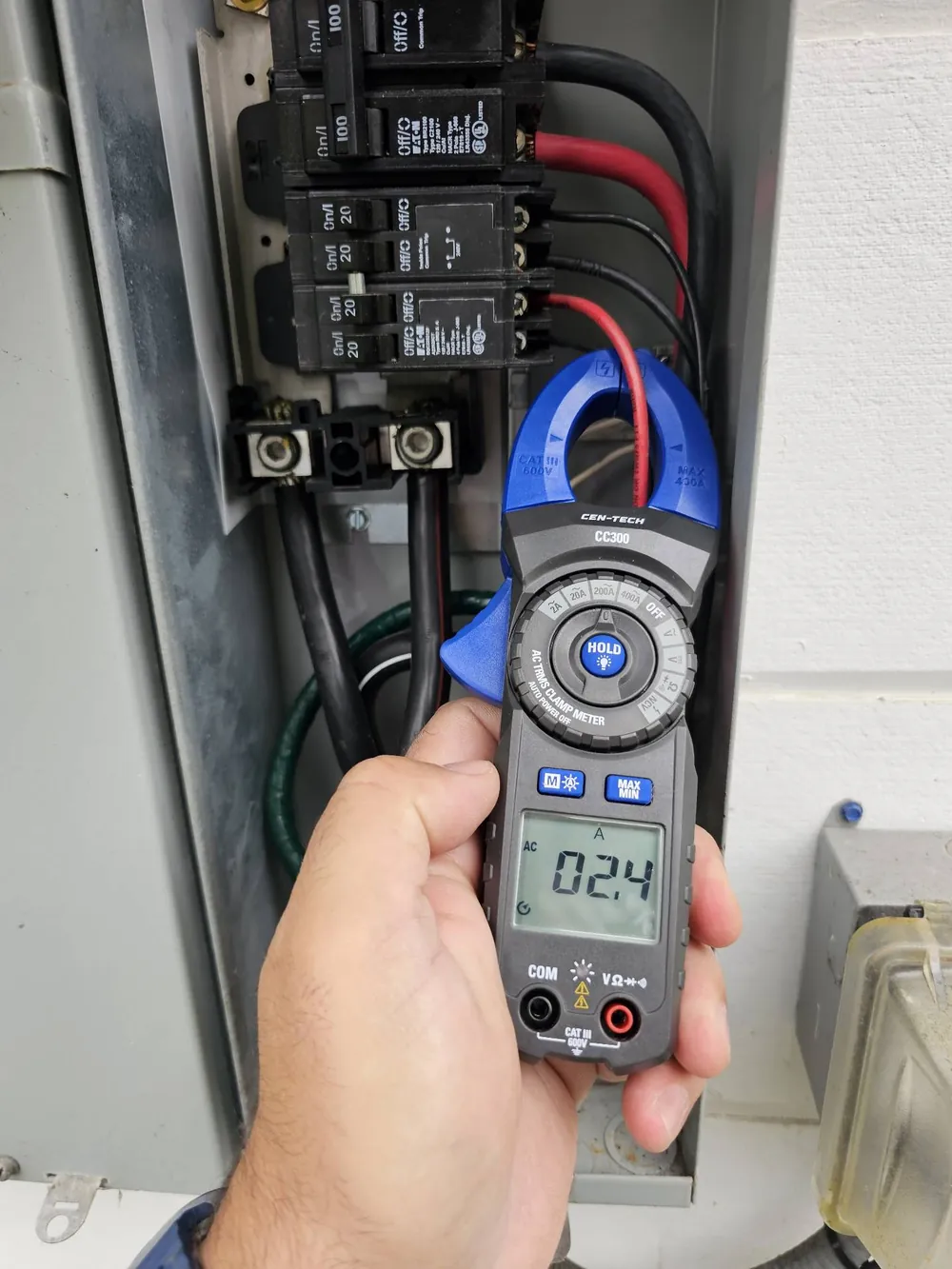
Most of the assessment is visual, plus a hands-on check at the electrical panel. I look at:
The amperage reading shows what the system is producing at the time of my visit. It's a snapshot, so the number depends on sun, season, time of day and shading. I don't open sealed equipment or take the system apart.
After I collect photos and data on site, they're reviewed by Sprk, an independent solar inspection platform that reviews my on-site data and produces a graded report. Your Solar Inspection Report includes an overall letter grade, system condition, estimated production, estimated remaining life of the panels and inverter, battery storage details if present, and ownership indicators.
The estimates are based on available records and standard assumptions, not guarantees. The report isn't a warranty, a repair estimate, or a production guarantee, and it can't confirm a battery's internal health or capacity.
How the system is owned changes what a buyer takes on.
The purchase contract, warranties, the final permit sign-off (City of Santa Rosa, Permit Sonoma, or your city), and PG&E's permission-to-operate letter.
The loan agreement and payoff amount. Some solar loans are recorded as a filing that shows up in the title search. PACE financing appears on the property tax bill.
The full contract, the payment and escalator terms, the transfer requirements, and the company's contact information. The buyer usually has to qualify to take it over, or the seller arranges a buyout.
Ask for recent utility bills too. Many Sonoma County homes get power through Sonoma Clean Power with PG&E delivery, so the bills can look confusing, but they help show how the system has been credited.
Who It's For
Buying a home with solar? Know the condition of the system, its estimated production and remaining life, and ownership indicators (owned, financed, leased, or PPA) before you commit.
Selling a home with solar? An independent assessment gives you clear, documented information about the system to share with buyers.
Representing a solar home? Ownership type and lease transfers can slow escrow. An independent assessment helps everyone understand the system early.
Working with buyers or sellers on a solar home? See how Buy Wise works with agents.
Buyers: during your contingency period, alongside your home inspection.
Sellers: before you list, so buyers get documented answers instead of open questions.
You can add a Solar Assessment to the Essential Home, Wise Choice, or Total Confidence Inspection, or book it on its own. Travel fees apply outside the standard service area. You'll see the price before scheduling.
Schedule a Solar AssessmentFAQs
Straight answers about Solar Assessments from Juan de la Cruz, your Certified Master Inspector.
More questions? Ask Juan directly, or see the price for your home before you schedule.
Pairs well with a full home inspection. See pricing and packages.
You'll understand the house, not just receive a report.
Calm, thorough, buyer-first inspections by Juan de la Cruz, CMI • Santa Rosa, Sonoma County & the North BaySanta Rosa, Sonoma County & the North Bay